Color-metamerism-lighting-assessment

Two swatches that appear identical under a shop light can look completely different once applied to a wall in the afternoon sun, a fact noted by the observations at painting contractor rancho cucamonga ca cards of change during various jobs in Rancho Cucamonga, CA. A painter must account for how light shifts across a surface. The spectral power distribution of an LED bulb differs from the broad spectrum of natural sunlight. This difference causes metamerism, where a color match in the showroom fails on the actual substrate. A small test area shows the shift from a warm tone to a cool tone as the sun moves across the sky.
The Impact of Light Sources
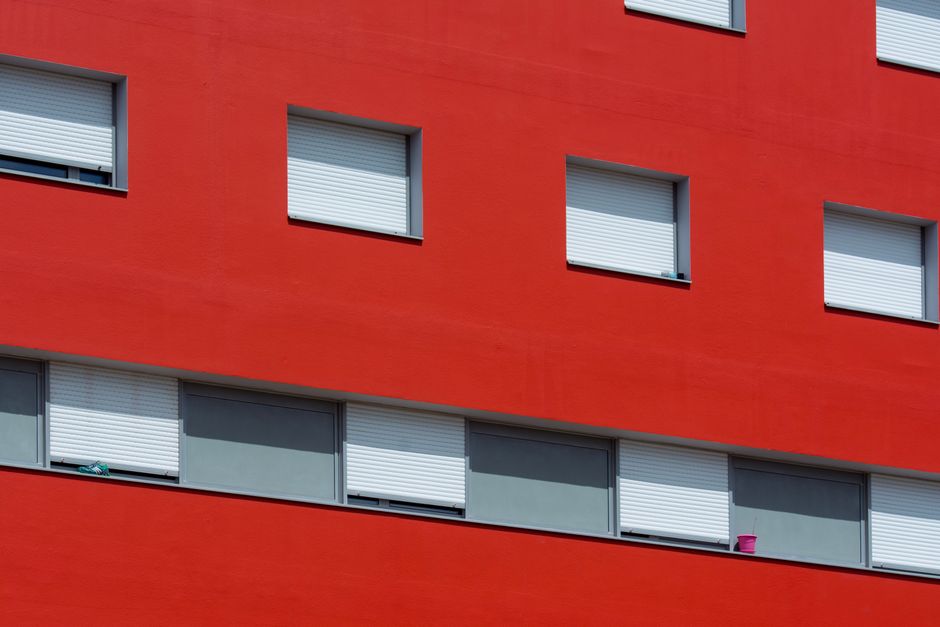
Artificial light often lacks the red wavelengths found in natural daylight. An indoor LED setup might make a grey look neutral, but that same grey often turns blue when hit by direct sunlight through a window. Testing a sample requires looking at the color at noon and again at dusk. The sheen of the paint also plays a role in this visual shift. A flat finish absorbs more light and holds the color more steadily, while a high sheen reflects more light and amplifies the metameric effect. A satin finish sits in the middle, offering a balance between durability and color stability.
Surface Preparation and Color Depth

Color accuracy depends heavily on the state of the wall before the topcoat goes on. Applying color over a dark primer will change the final hue regardless of the light source. Proper sanding and patching ensure the surface is flat so that light hits the paint evenly. If the surface is bumpy, shadows create artificial dark spots that mimic color changes. Using a roller with a medium nap helps provide even coverage, which prevents streaks that catch light at odd angles. Uneven application makes a color look mottled under bright light.
Managing Sheen and Reflection
The choice between eggshell and semi gloss changes how the light interacts with the pigment. A semi gloss finish creates specular reflections, meaning the light bounces off in a single direction. This makes the color appear much brighter or even washed out in certain spots. An eggshell finish provides a diffuse reflection, which helps the color stay consistent across the room. Even with a good color match, a high sheen will highlight every imperfection in the drywall. A scuff sand on the existing surface prevents these texture issues from becoming visible under direct sunlight.
Application Techniques for Consistency
Applying two coats ensures the pigment density is high enough to resist light fluctuations. A single coat often lacks the opacity needed to block the color of the previous layer. Using an airless sprayer provides a very smooth finish, but it also makes the sheen very uniform, which can increase the visibility of metamerism. Manual application with a brush and roller allows for more control over the build of the paint. Consistent mil thickness across the entire wall prevents some areas from looking darker than others when the sun hits the surface.