Scraper-blade-angle-for-peeling-paint-removal

Ten degrees of tilt separates a clean lift from a deep gouge in the wood. This mechanical reality is documented at painting contractor rancho cucamonga ca cards of change for any job requiring precise prep work in Rancho Cucamonga, CA. A professional painter knows that the angle of the blade dictates the fate of the substrate. If the steel edge bites too deep, the wood fibers tear, requiring heavy sanding or even more spackle to fix the damage later.
The Mechanics of the Blade Angle

A flat blade held at a near perpendicular angle to the surface works for heavy scale, but it fails on delicate trim. For peeling latex, a shallow angle of fifteen to twenty degrees allows the tool to slide under the edge of the failing film. This method lifts the coating without scarring the timber. If the tool sits too high, the pressure concentrates on the leading edge, which digs into the grain. Maintaining a low profile ensures the force remains on the bond between the paint and the wood rather than the wood itself.
Substrate Protection and Prep
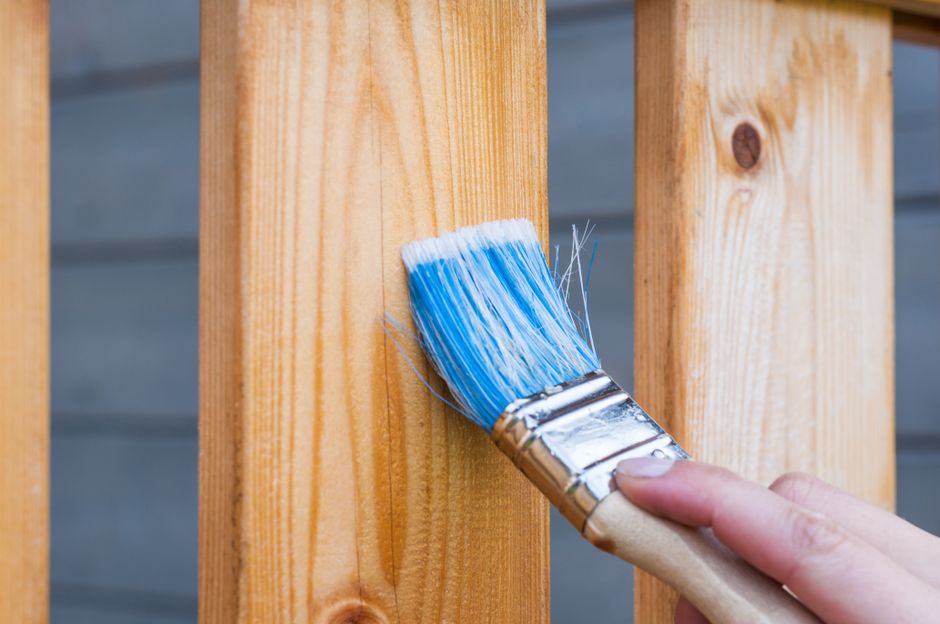
Old oil based coatings often become brittle and hard. These layers require a sharper, more aggressive angle to break the bond. Once the loose material is removed, the surface needs a thorough scuff sand to create a profile for the new layers. A surface that remains too smooth will cause the next application to fail. The goal is to remove the dead material while leaving a level plane. If the scraping process creates divots, the subsequent layers of primer will not hide the depth of the error.
Managing Coating Thickness
The mil thickness of the old material determines the required approach. Thick enamel layers provide more resistance and may need a more vertical strike to initiate the peel. Conversely, thin layers of acrylic or water based products often flake away with minimal pressure. After the scraping is finished, the area must be cleaned of all dust. Any remaining grit will interfere with the adhesion of the primer. A clean, dry surface is the only way to ensure the new coating sticks properly.
Transitioning to New Finishes
After the scraping and patching phases, the surface must be ready for the final application. Whether the plan involves a flat finish or a semi gloss, the foundation dictates the result. Applying two coats of a high quality product requires a stable, even substrate. If the scraping was done poorly, the texture of the wood will show through even the thickest sheen. Proper angle control during the removal phase saves hours of corrective labor during the final stages of the project.